Escrito por Bianca Ruiz Silva, Maria Clara Martins, Stephanie Severo Vasconcelos, Maritere Ceballos, Camila Roque & Alexia Hernández
Football has become one of the most influential cultural phenomena in the world, especially during international events such as the World Cup, where national identity is represented not only through the players, but also through the image of each team. In recent years, football jerseys have evolved beyond their original function as sports uniforms and are now seen as fashion pieces, cultural symbols, and expressions of heritage. Brands like Adidas have played an important role in this change by incorporating historical references, artistic movements, and traditional elements into their designs. As a result, many of the jerseys created for the 2026 World Cup reflect the connection between football, culture, and identity, while also generating conversation among fans about representation and national pride.
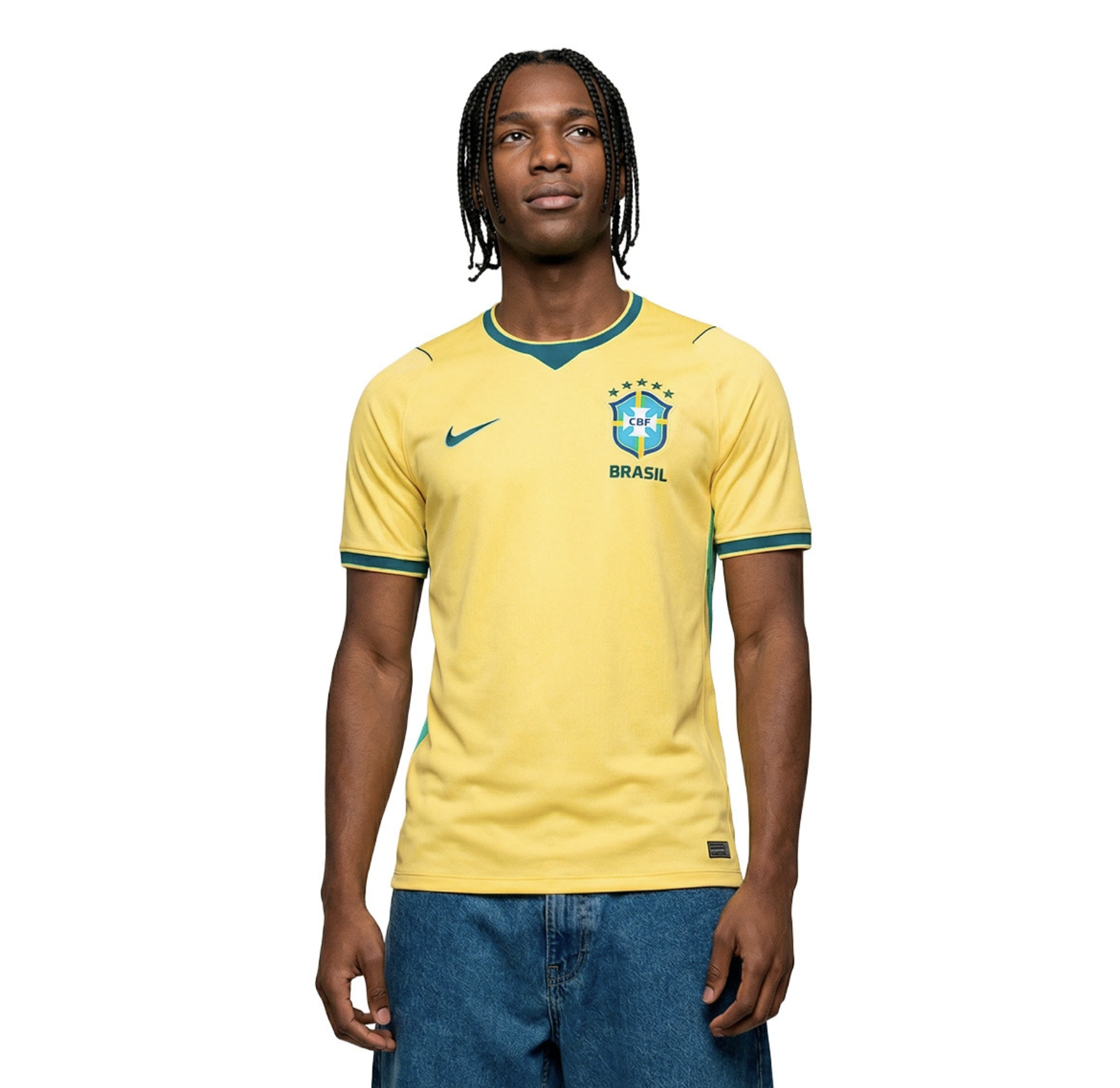
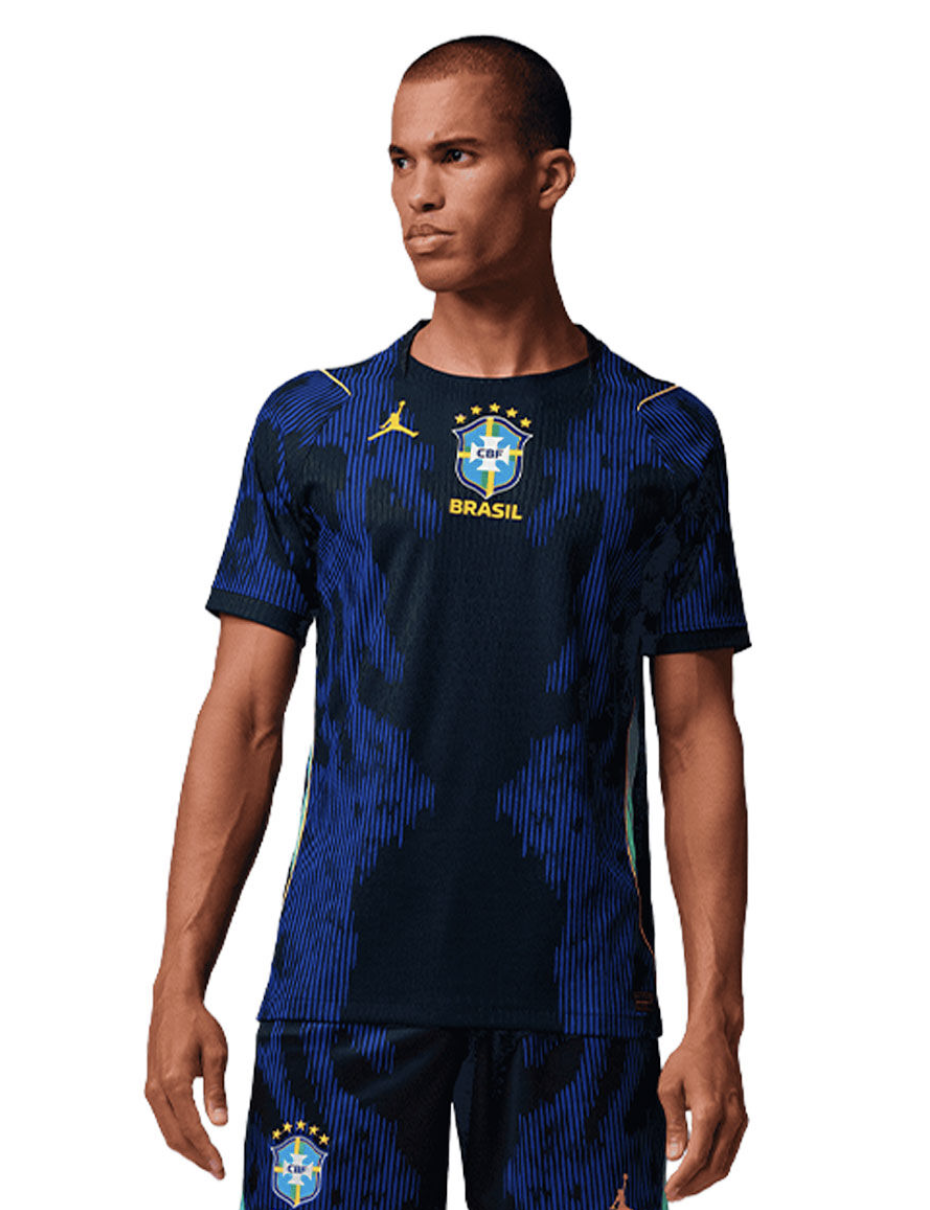
Brazil’s new national team jersey for the 2026 World Cup merges the iconic «amarelinha» with a bold aesthetic, incorporating textures that evoke the skin of the Amazonian poison dart frog and the movements of capoeira to celebrate the country’s biodiversity and cultural resilience. Furthermore, the Brazilian team’s away jersey also features details that reference Brazil’s culture and fauna, such as textured graphics resembling geometric patterns inspired by the poison dart frog—a Brazilian animal known for its vibrant colors and menacing appearance, symbolizing both nature and the team’s style of play. In both jerseys, the slogan “Vai Brasa” is featured on the collar, which has split opinions on social media, sparking intense media debate over the evolution of national identity.
?The modern design of the shirts seeks to rejuvenate the Brazil brand and reaffirm the jerseys as a diplomatic and urban fashion symbol, emotionally connecting fans to a renewed pride that attempts to balance historical tradition with the vibrant energy of contemporary youth.
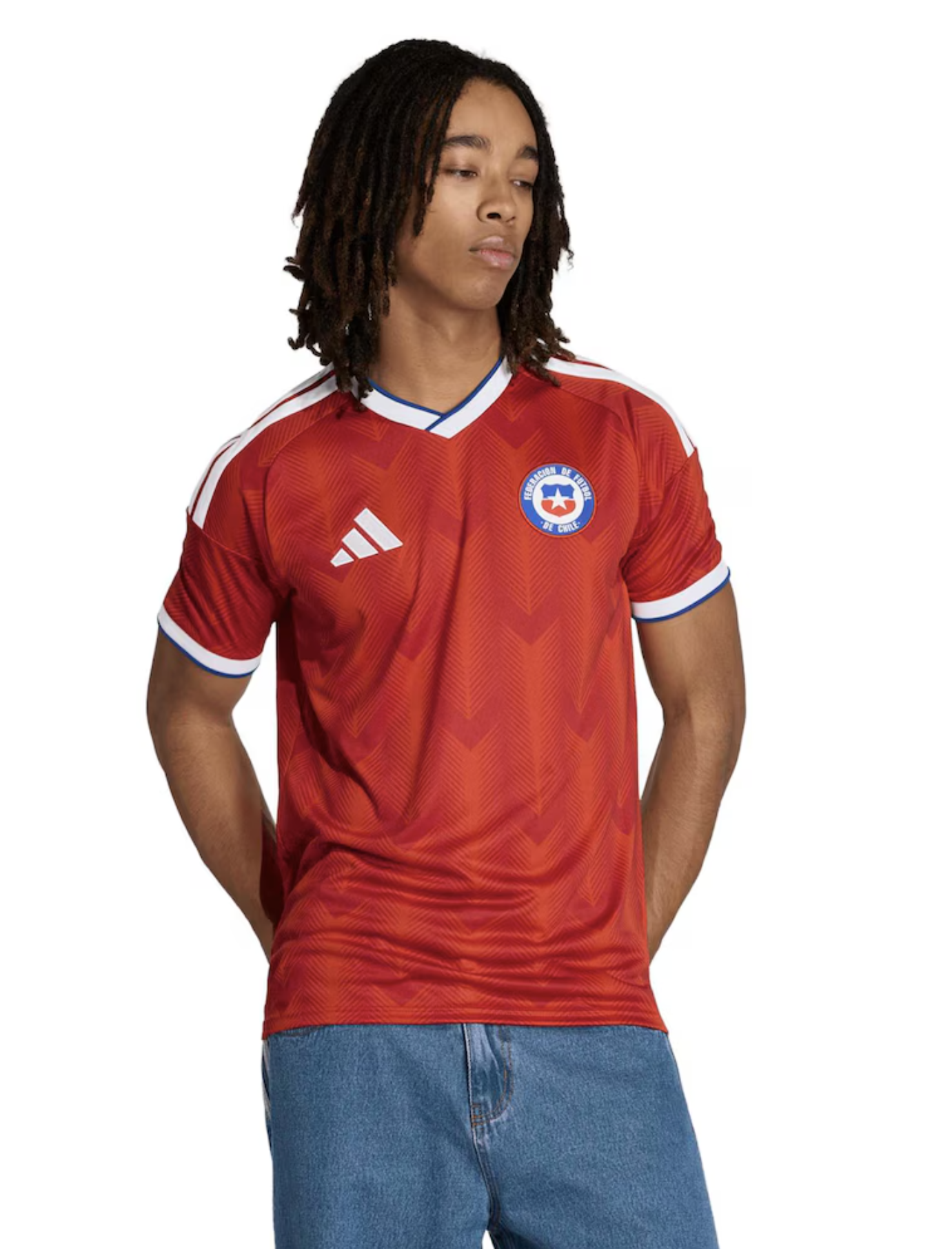
Similarly, for the 2026 World Cup, the Chilean National Team introduces kits that transcend the pitch by transforming natural heritage into symbols of resilience and sovereignty. The home jersey retains the iconic «La Roja» hue but innovates with chevron patterns that emulate the plumage of the Andean Condor, a bird that personifies the strength and freedom of the Andean people. Meanwhile, the away jersey celebrates the rare «Deserto Florido» (Flowering Desert) phenomenon in the Atacama, utilizing textures that merge the aridity of the soil with vibrant tones to symbolize Chilean resilience.
These garments serve as cultural manifestos for environmental preservation and geographical pride, acting as a global showcase for a Chilean identity that unites the grandeur of its mountains with the unexpected beauty of its deserts.
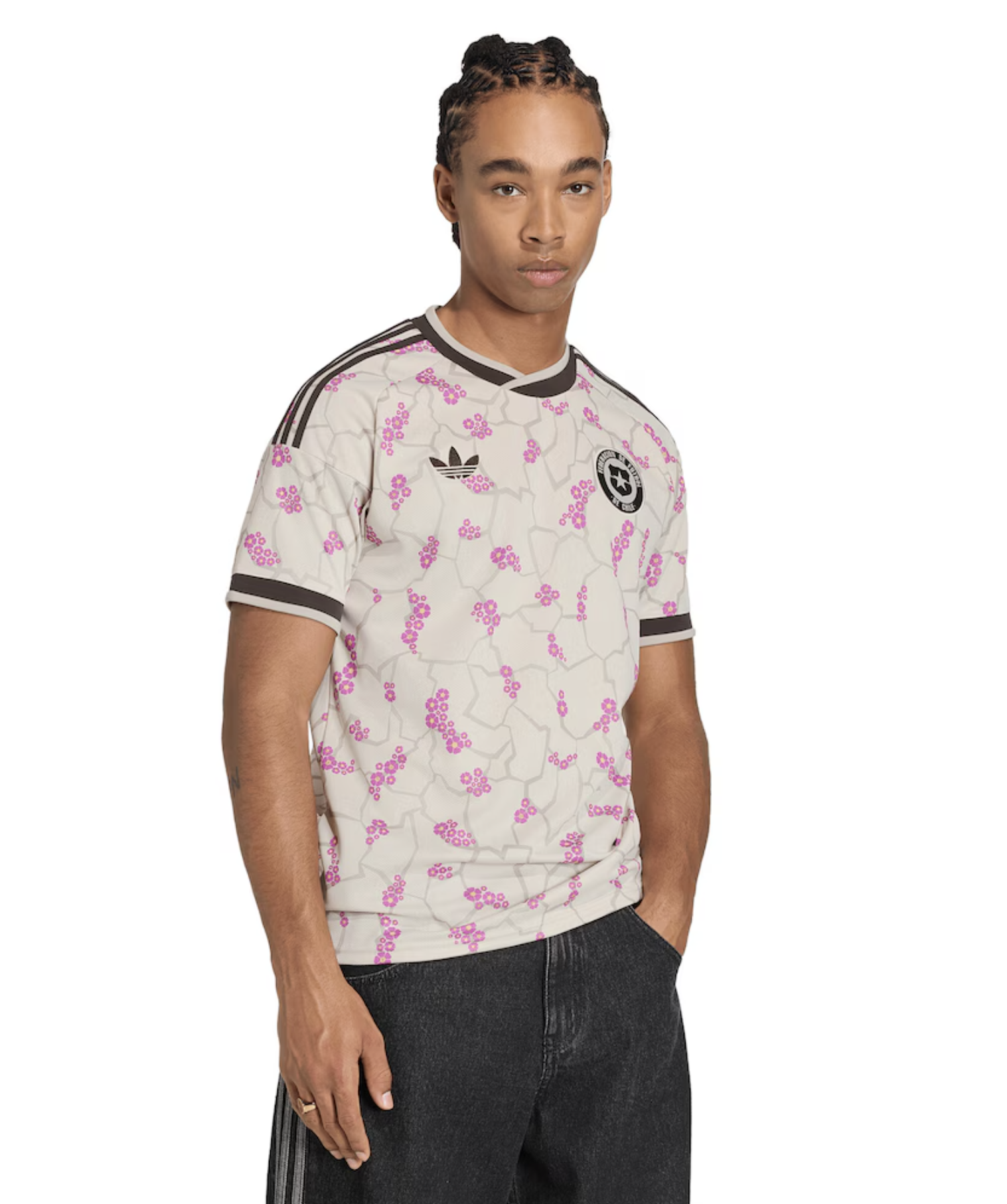
The Japan National Team’s new kit for the 2026 World Cup embraces the concept of «Horizon,» where the traditional blue is brought to life with ash-blue linear graphics symbolizing the meeting of the sea and the sky. While the home jersey features waves across the chest to represent continuity and the ambition to push beyond limits, the away kit opts for an off-white base with twelve hand-drawn colored stripes, uniting the team under the light of the central sun. This collection aims to establish itself as an icon of minimalist design and global streetwear aesthetics, reinforcing Japan’s identity as a nation that perfectly balances respect for its natural roots with a bold and technological vision for the future.
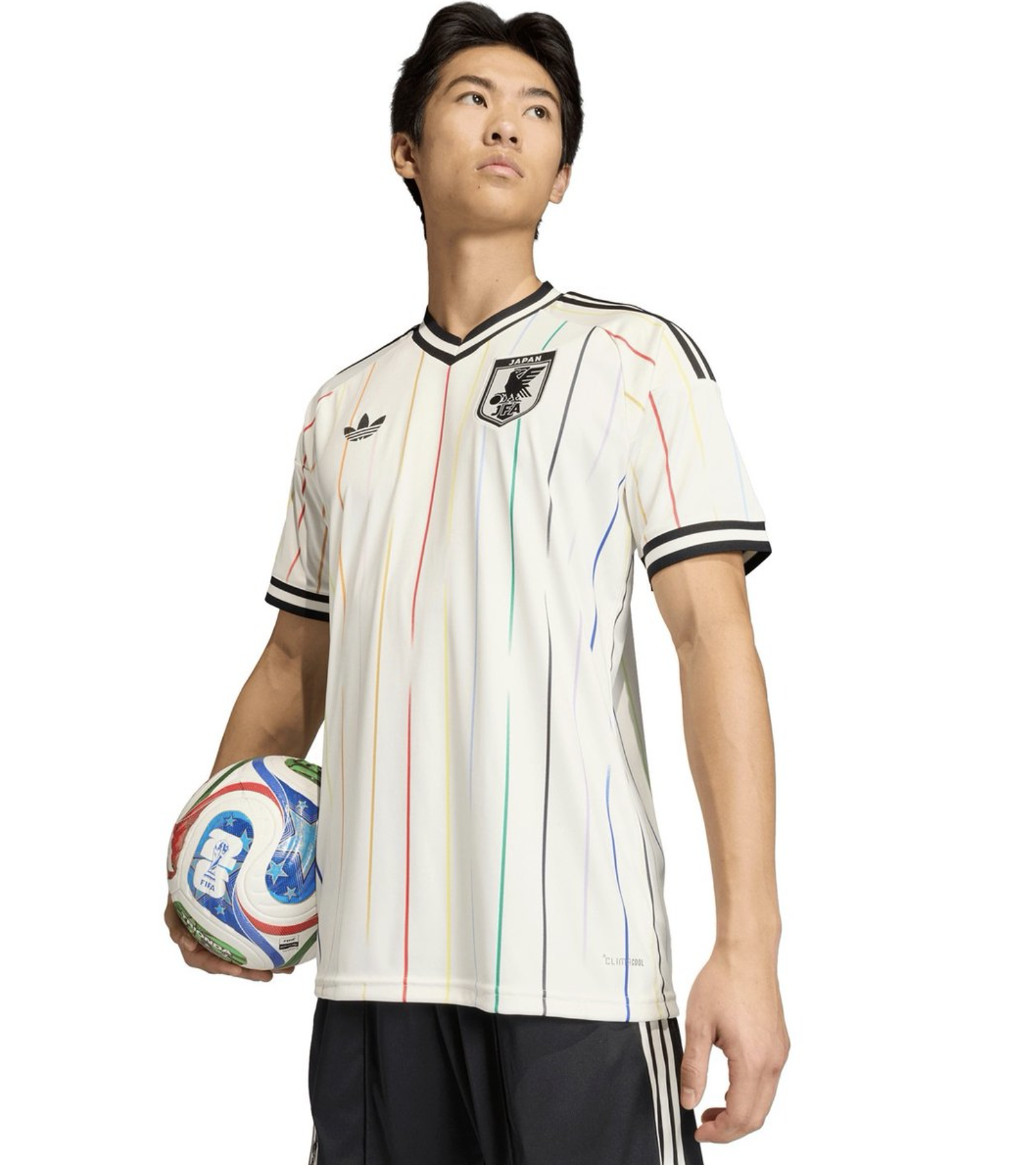
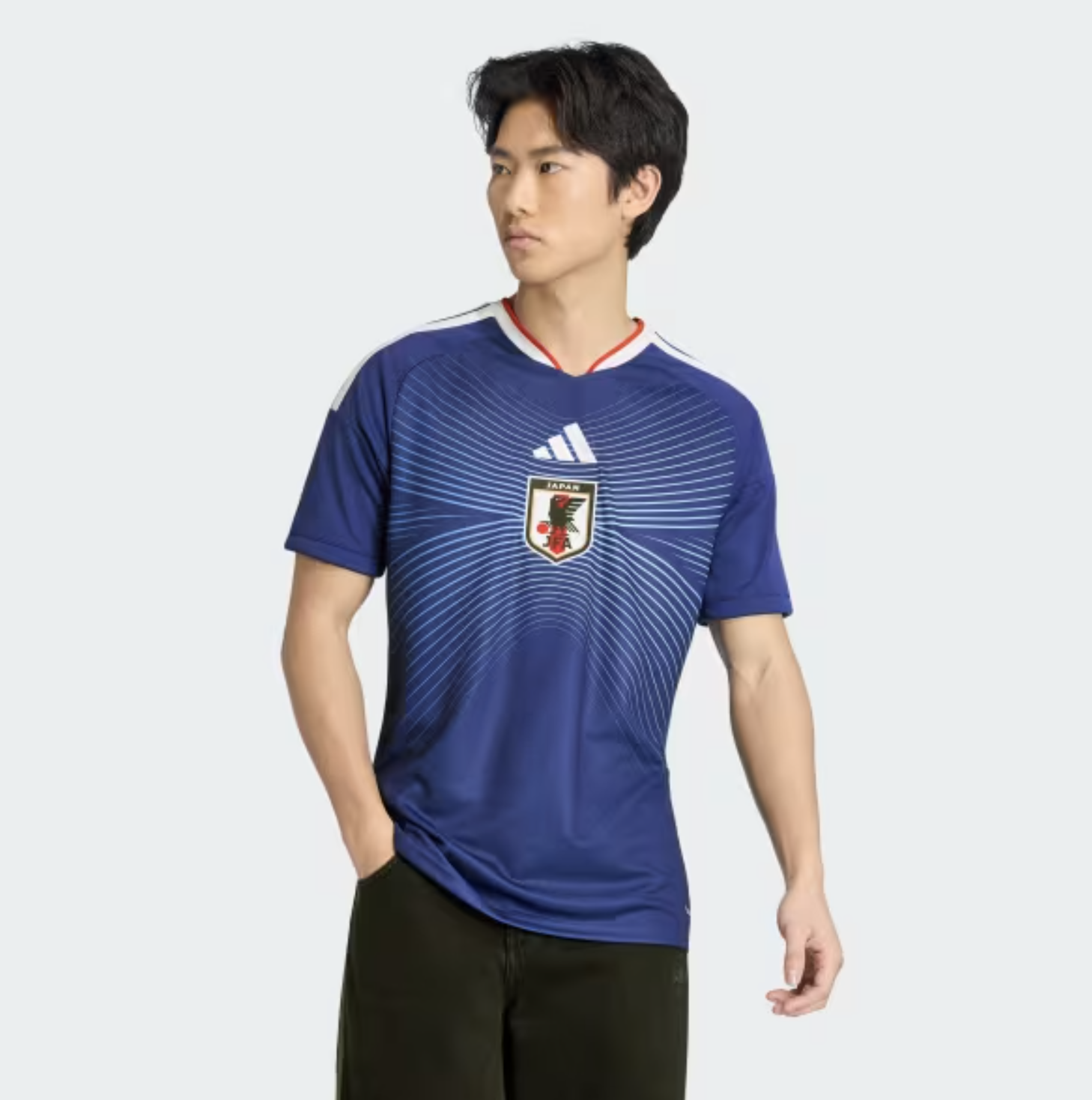
This fusion of design and symbolism resonates with those who consume football culture or are accustomed to cheering for and following their country during the World Cup, giving those who wear the jersey a sense of belonging, unity, and cultural representation. As 20-year-old university student Gabriel Nascimento puts it: “Wearing the Brazil jersey during the World Cup gives me that sense of national pride, you know? When the Cup starts and you see everyone in the street wearing the same color, it feels like differences of opinion vanish for a while; all that’s left is that feeling of unity and belonging.”
The cultural symbols behind the jersey designs are also felt by fans and consumers. For Carlos Eduardo Nagamichi, a 27-year-old advertiser, the symbolism behind the kits makes him want to wear the national team uniform even more, and sparks a curiosity to research the history and meaning behind the design elements of other countries’ jerseys. “When you see the details on the Brazil kit with the capoeira elements, it makes you want to buy the shirt even more. And it’s cool to see the other teams’ jerseys too… Chile’s with the Atacama Desert, for example. I thought it was really neat because I had never heard of this ‘flowering desert’ phenomenon they have. The jersey ends up becoming a cultural calling card for the country to the rest of the world,” he says.
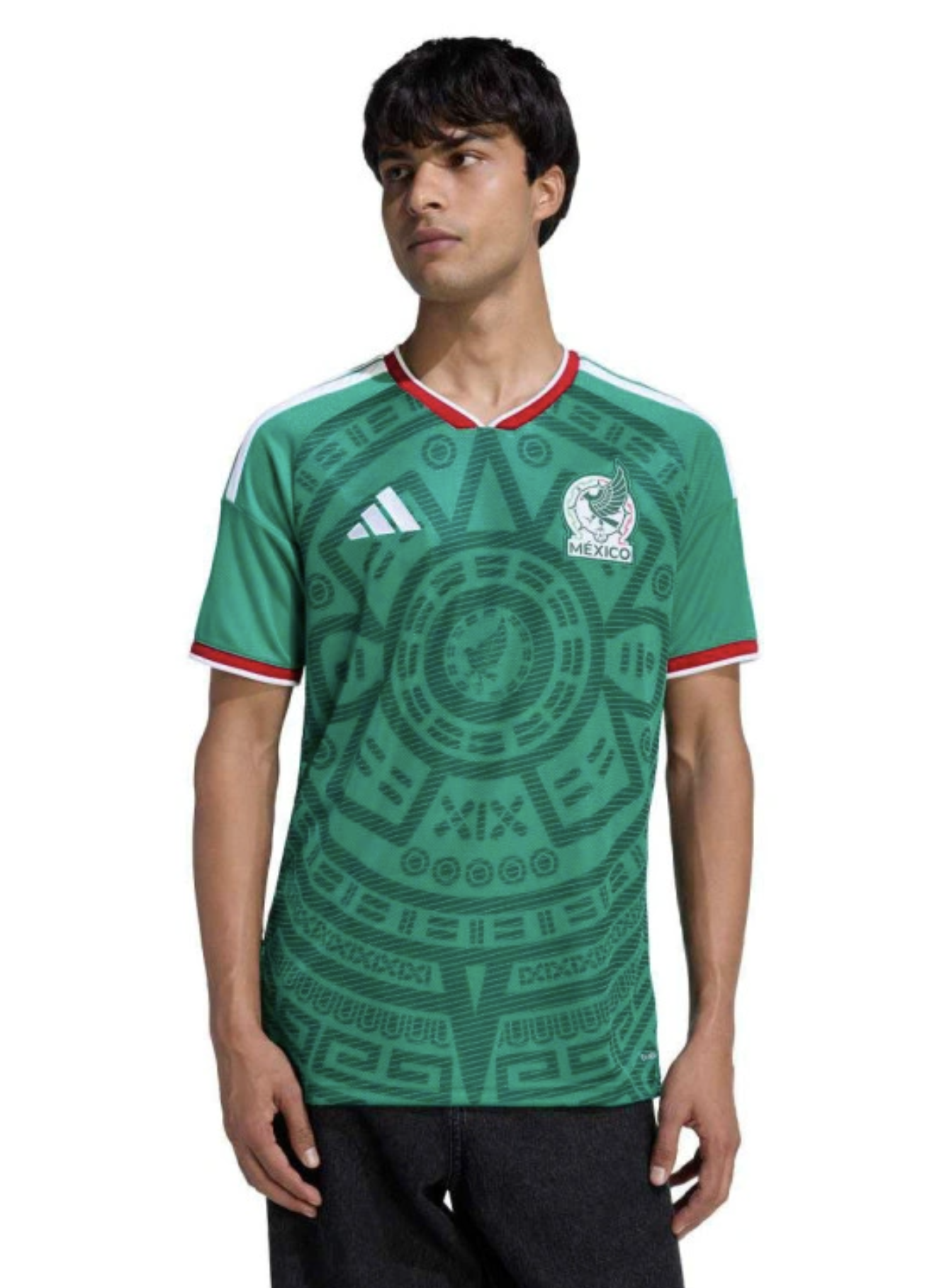
In the case of Mexico, the new jerseys reflect a clear intention to connect the team with the country’s cultural identity. The home jersey includes elements inspired by the Aztec calendar and also references the uniform used during the 1998 World Cup in France—specifically the sun-stone motifs—which is still remembered as one of the most iconic jerseys in Mexican football history. Meanwhile, the away jersey features patterns based on pre-Hispanic grecas and includes details such as the phrase “Somos México,” reinforcing ideas of unity and national identity.
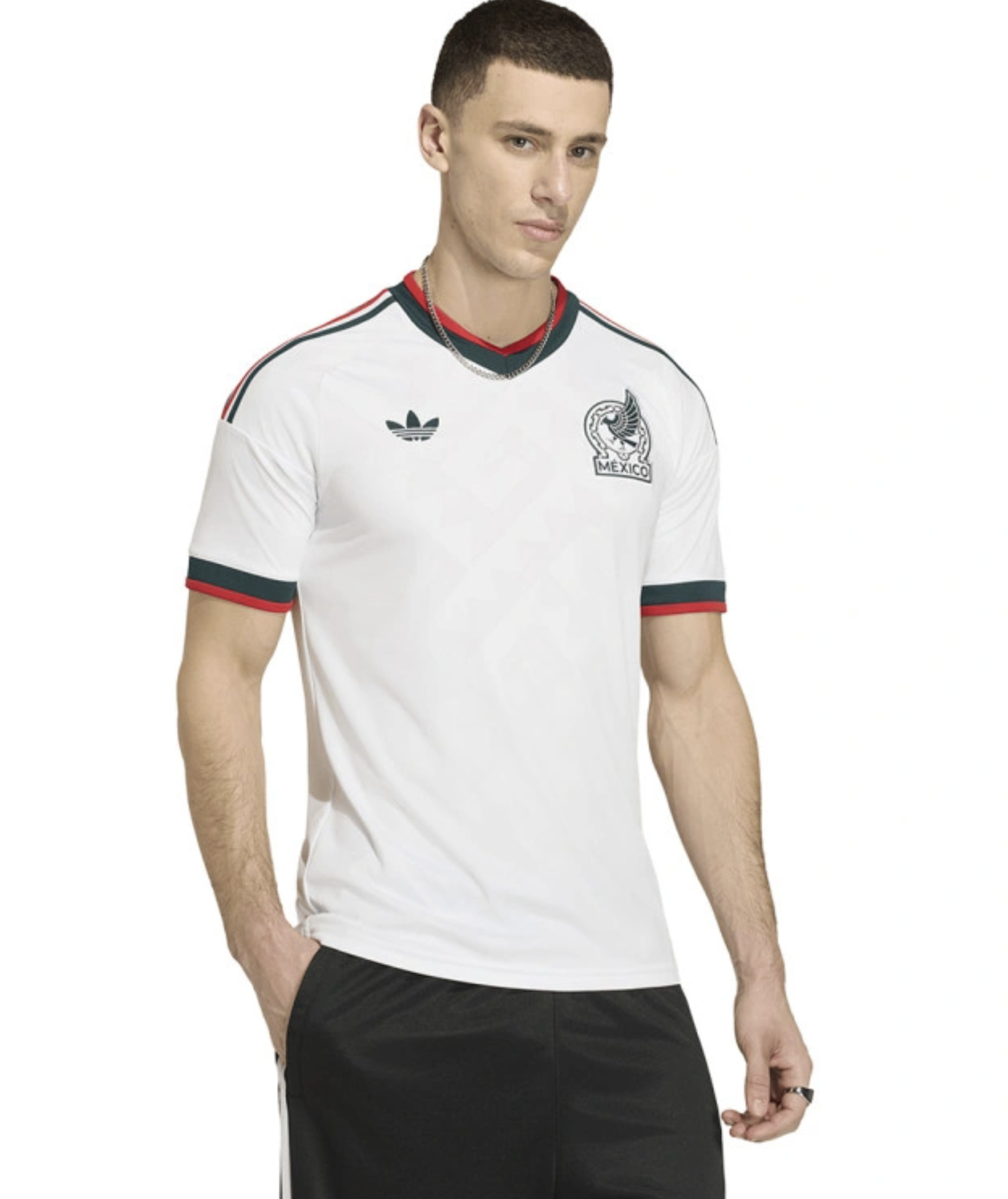
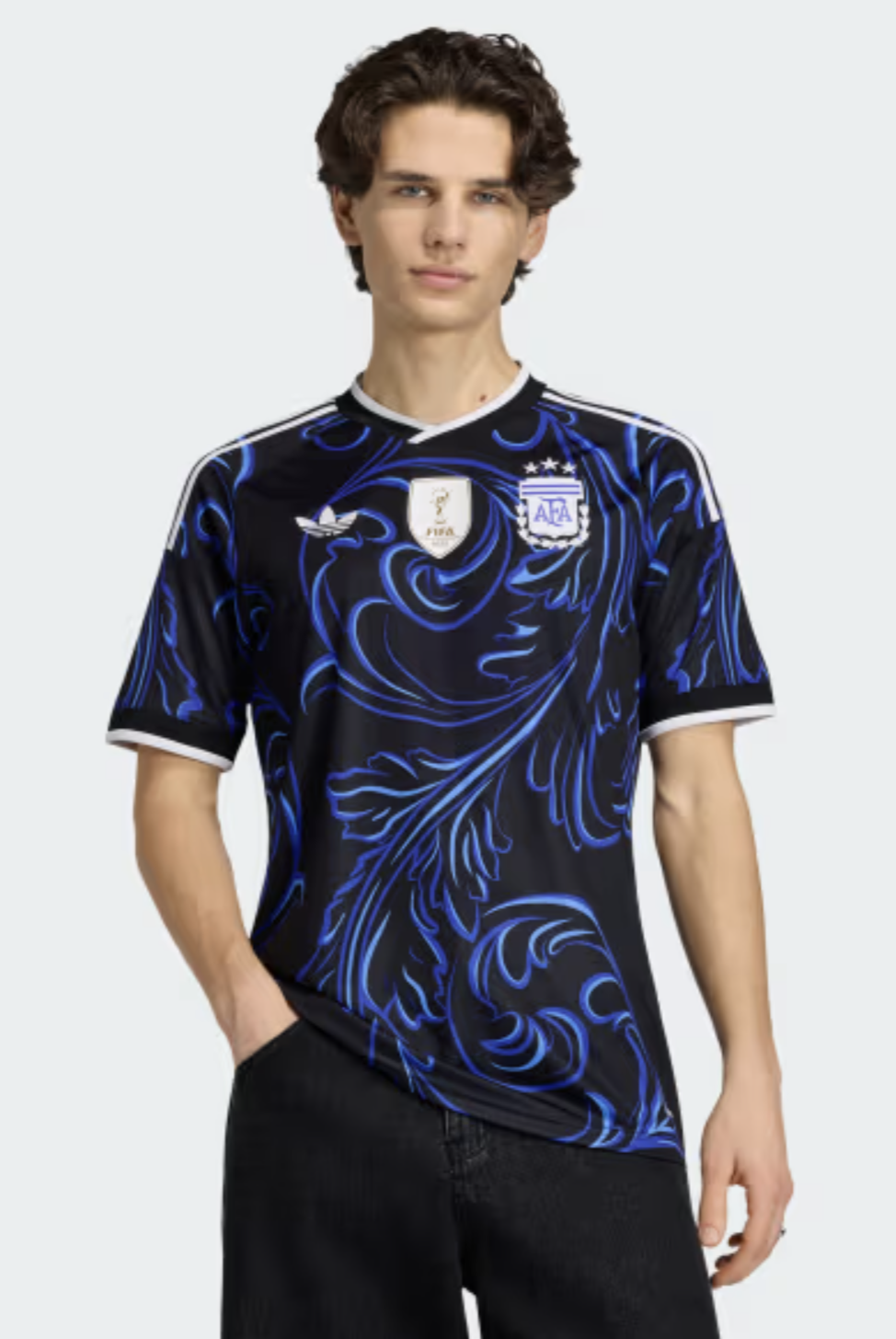
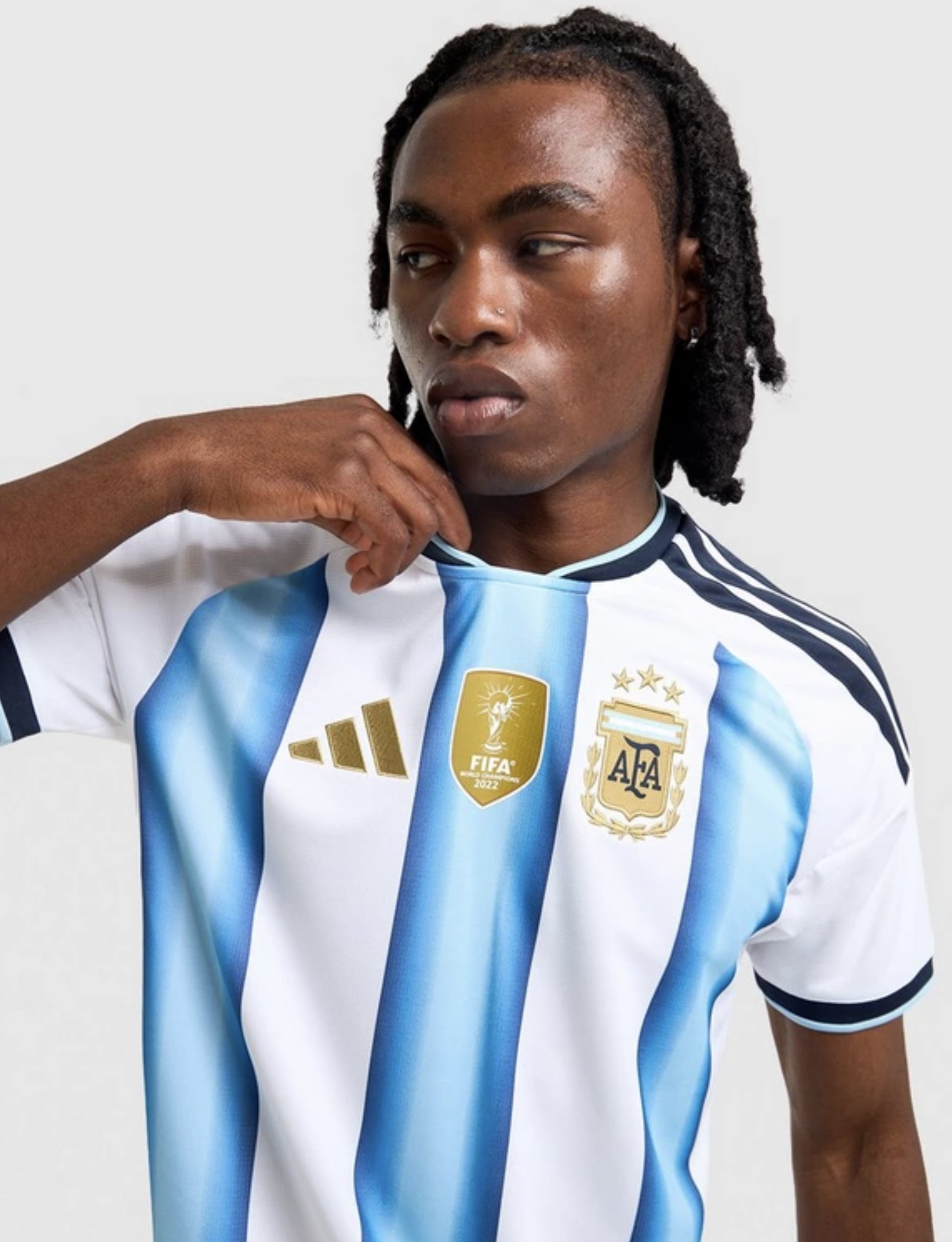
In Argentina’s case, the jersey design keeps the traditional sky blue and white colors, but adds elements inspired by fileteado porteño, a popular artistic style strongly associated with Buenos Aires. The patterns include curved lines and decorative details commonly seen on buses and old building facades. However, the design also created some controversy among fans who argued that the concept focuses too much on the capital and does not fully represent the cultural diversity of the entire country.
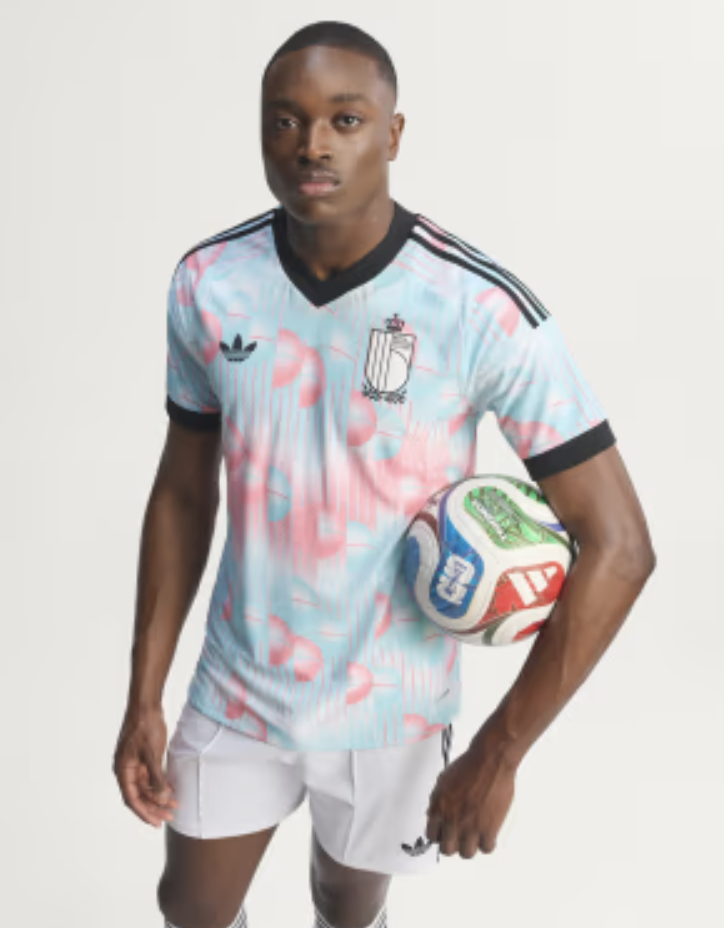
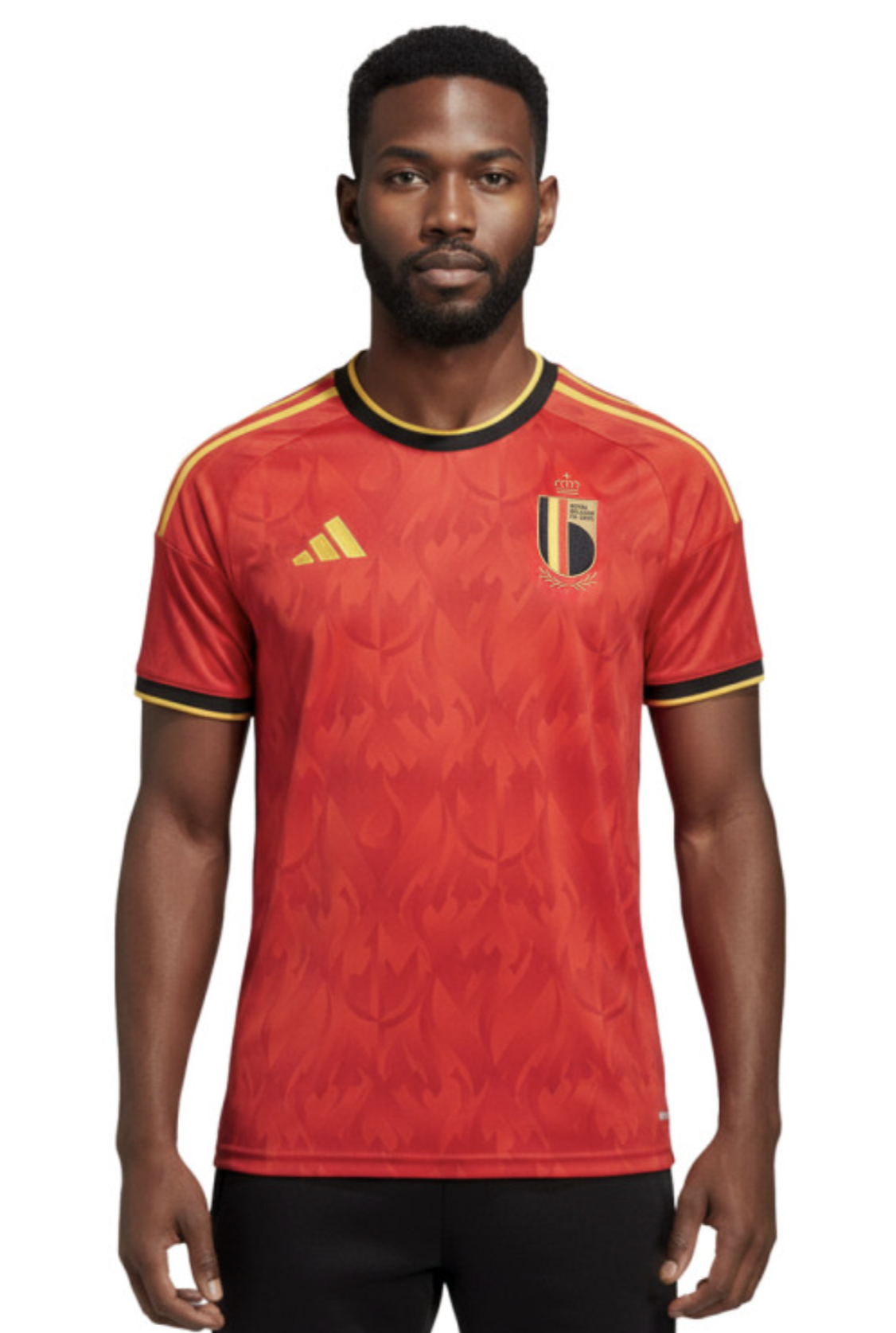
Finally, Belgium’s away jersey for the 2026 World Cup became one of the most unique designs released for the tournament because it takes inspiration from Belgian painter René Magritte and the country’s surrealist art movement. The jersey combines light blue, pink, and white colors with black details, while the graphic patterns reference both Magritte’s artistic style and football elements connected to the Belgian federation. One of the most discussed details was the phrase “Ceci n’est pas un maillot” inside the collar, inspired by Magritte’s famous artwork The Treachery of Images. However, due to FIFA regulations about approved slogans on official kits, the phrase only appears on the replica version sold to fans and not on the match version worn by players.
To better understand the cultural impact of football jerseys, an interview was conducted with Gerardo Torres, director of the sports streaming program Diálogo de Cancha on YouTube. For Torres, football jerseys symbolize “the identity of the team and the way they play.” He explained that these uniforms are important because fans use them to support their national teams, while also appreciating the creativity behind the designs. When discussing his favorite Adidas jerseys for 2026, he mentioned Spain, Argentina, Japan, and Colombia, mainly because of the visual appeal of their away kits and the emotions those teams create for fans.
Torres also pointed out that football jerseys have become connected to fashion and personal expression, since every country communicates something different through its uniform. According to him, some teams choose more elegant or modern styles, while others prefer classic or stronger-looking designs that reflect their character. He added that jerseys help people connect with football culture through the players and the style of play associated with each national team, creating a stronger emotional bond between supporters and the sport.
The evolution of Adidas jerseys for the 2026 World Cup consolidates a transition where the match kit is now both a streetwear staple and a politico-cultural manifesto. By integrating elements from diverse nations, the brand allows those who buy the jerseys to feel like representatives of their own history with every wear, enabling the garment to transition seamlessly from stadiums to urban settings. This omnipresence in everyday fashion reflects a generational quest for authenticity, where, in a world hyper-connected by social media, these designs go viral and drive debates on representation. This proves that beyond providing sports apparel, Adidas and Nike possess the influence to shape global cultural aesthetics by transforming local traditions into universal symbols of desire.
The 2026 collections for powerhouses like Brazil and Mexico reveal that, while aesthetics vary between Aztec mysticism and the vibrancy of Amazonian fauna, the core purpose remains the same: the preservation of cultural heritage through sport. Comparing the approaches of different nations shows that the modern football jersey functions as a mirror of society, capable of fostering both unity and necessary debates on inclusion and regionalism. More than mere apparel, these pieces have become cultural tools, ensuring that a people’s history and traditions are carried on their chests, both on and off the pitch, reaffirming football as the strongest link between ancestry and technological modernity.
Reel Not Just Football Shirt:
https://youtube.com/shorts/PhOlGG9DCoc?si=Vy8YFRtjzU7_FAmn
Fuentes
BianCalana, Eric. “All Jerseys at the 2022 FIFA World CupTM | WorldSoccerShop.” Worldsoccershop.com, 2022, www.worldsoccershop.com/guide/every-fifa-world-cup-jersey. Accessed 12 May 2026.
CNCC. “Jerseys de Adidas Que Las Amantes Del Estilo van a Llevar Cuando Llegue La Copa Mundial de La FIFA 2026.” Vogue México, 20 Mar. 2026, www.vogue.mx/articulo/jerseys-de-adidas-de-la-copa-mundial-de-la-fifa-2026. Accessed 13 May 2026.
Daujotas, Angelica. “Mexico’s New Adidas Third Kit Is a Bold Tribute to World Cup History.” Goal.com, 11 May 2026, www.goal.com/en/news/mexico-adidas-third-kit-world-cup-2026/bltbc38b1a742c4434f. Accessed 13 May 2026.
Islas, Laura. “FIFA World Cup 2026 Jerseys Boost Adidas Sales.” Revista Merca2.0, Apr. 2026, www.merca20.com/fifa-world-cup-2026-jerseys-boost-adidas-sales/.